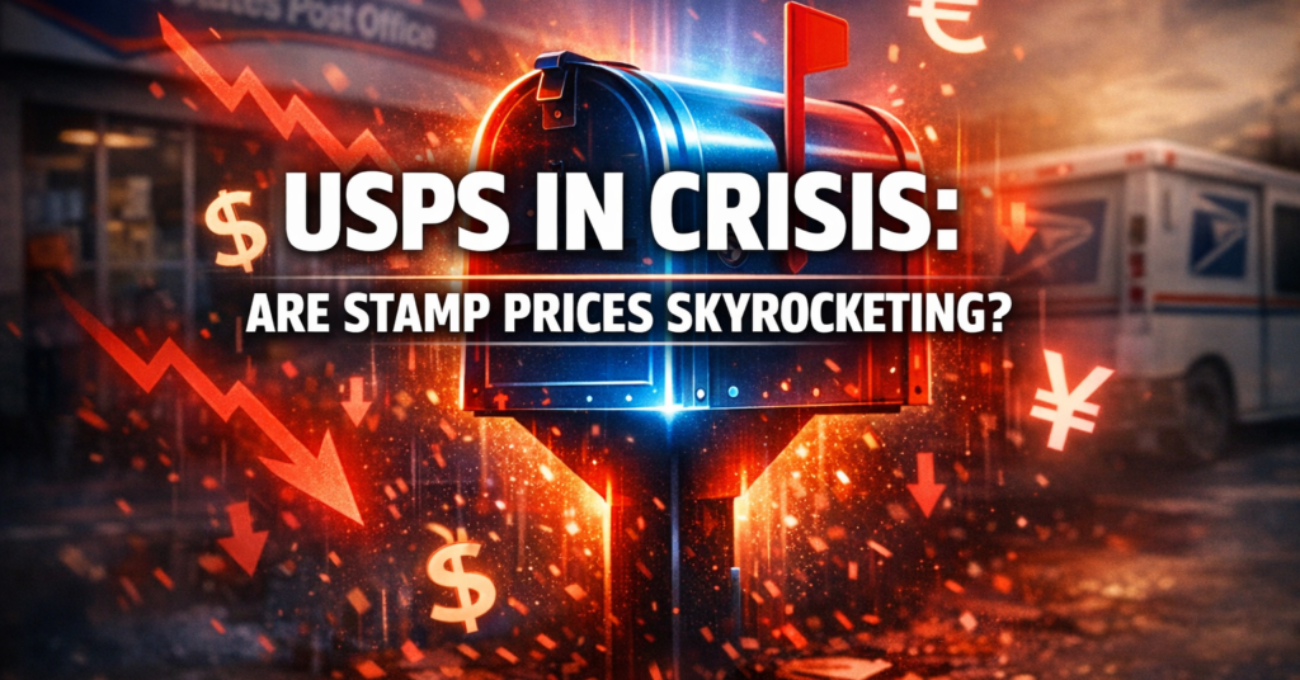
USPS is sounding the alarm
I’ll be honest: I don’t think about the U.S. Postal Service (USPS) much until I’m waiting on something important. A prescription refill. A replacement credit card. A birthday card I mailed “early” but still somehow arrives late.
So when I saw headlines suggesting USPS is warning that mail delivery could stop if its money situation keeps getting worse, I did a double take.
And the part that really jumped out at me—beyond the scary “could we actually lose mail delivery?” vibe—is this: price increases (including stamp hikes) seem very much on the table.
What USPS is saying (in plain English)
According to reporting on recent testimony from Postmaster General David Steiner, USPS says it’s facing a serious cash crunch and that if nothing changes, they could be unable to keep operating “as usual” within about a year. That includes worst-case scenarios like not being able to deliver mail or pay employees/vendors on time.
The biggest issue is pretty simple: people just send less mail than they used to. First-class mail volumes have dropped massively from their peak, and USPS has posted multi-billion-dollar annual losses recently.
At the same time, USPS still has to do the hard (and expensive) stuff: deliver to basically everyone, including rural routes, and maintain lots of infrastructure.
The price hike everyone’s going to feel: stamps
Here’s where it hits home for most of us.
Steiner has floated the idea of raising the price of a first-class stamp—currently around 78 cents—to something like 95 cents or even $1+, depending on the report.
Now, will that definitely happen? Not guaranteed. There’s oversight, and the Postal Regulatory Commission has a role in what gets approved. But USPS leadership is clearly signaling that higher prices may be necessary to keep the lights on.
And realistically, even if you don’t mail many letters, stamp prices tend to ripple outward:
- Small businesses that ship lightweight items feel it
- Anyone who sends bills, forms, invitations, cards, etc. feels it
- Some services and fees often creep upward alongside postage
It’s one of those “it’s only a few cents” things… until it’s not.
Could mail delivery actually stop?
That’s the big dramatic question, and it’s what makes this story travel fast.
The way Steiner frames it, USPS needs changes—like increased borrowing authority, adjustments to financial rules, or other reforms—to avoid hitting a wall. One of the major constraints mentioned is USPS’s borrowing limit, which has been stuck at $15 billion for decades.
So yes, “mail could stop” is being used as a warning flare to Congress: do something, because the status quo doesn’t work.
What this means for normal people
If you’re like me, you’re probably thinking:
- “So… should I stock up on stamps?”
- “Should I expect more delays?”
- “Is USPS going to cut service days?”
Nothing is certain yet, but based on what’s being reported, price increases look like one of the most likely ‘near-term’ levers because it’s faster than completely restructuring how USPS operates.
Also worth noting: some places are already dealing with mail delays, and that real-world frustration is part of why the warnings feel extra urgent.
USPS isn’t just hinting they’re under pressure—they’re basically saying, “We’re running out of runway.”
And whether the fix comes from Congress, operational changes, or both, the easiest thing for the public to notice will be rising postage prices. So if you’ve been feeling like “everything is getting more expensive,” yeah… mailing a simple letter might be part of that next wave.
If you want, tell me the tone you’re going for (more casual, more serious, more opinionated), and I’ll rewrite this as a cleaner blog-style post with a stronger hook and a punchier ending.